

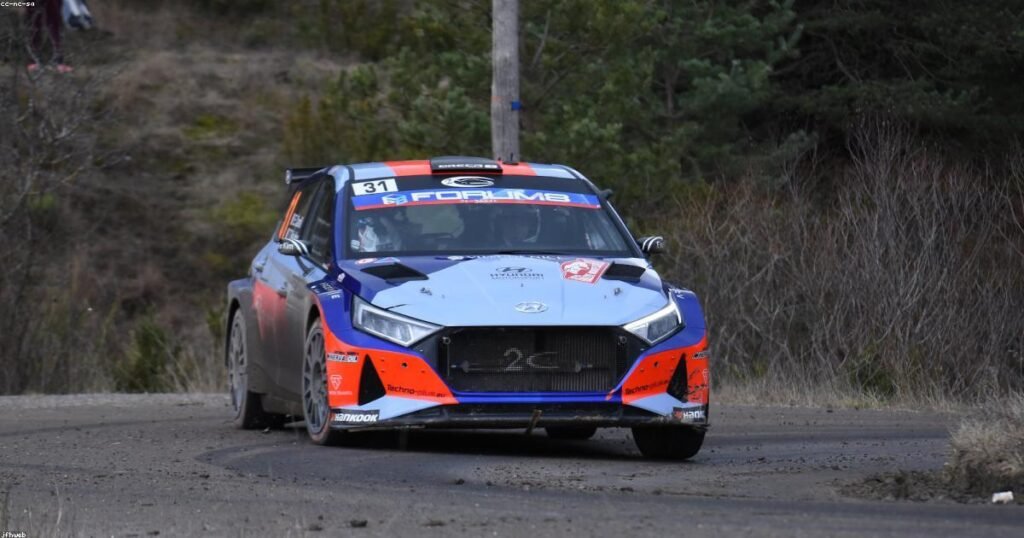
The Hyundai Creta is one of the most consequential cars ever launched in India — it single-handedly created the mass-market mid-size SUV segment when it debuted in 2015. The 2026 update refines an already strong formula with updated styling, expanded ADAS features, and a new panoramic sunroof option. Priced between ₹11 lakh and ₹20.15 lakh (ex-showroom), the Creta 2026 faces stiffer competition than ever from the Kia Seltos, Maruti Grand Vitara, Skoda Kushaq, and Volkswagen Taigun. We drove the Creta 2026 for 1,200 km across city, highway, and hill roads to give you our definitive verdict.
Quick Specifications
| Parameter | Petrol Turbo | Diesel |
|---|---|---|
| Engine | 1.5L Turbo GDi | 1.5L CRDi |
| Power | 160 bhp | 116 bhp |
| Torque | 253 Nm | 250 Nm |
| Transmission | 7-DCT / 6MT | 6MT / 6AT |
| ARAI Mileage | 18.41 km/l | 21.8 km/l |
| Ground Clearance | 190 mm | 190 mm |
| Boot Space | 433 litres | 433 litres |
| Starting Price | ₹11.00 lakh (ex-showroom) | |
Design & Exterior
The 2026 Creta wears a sharper, more confident face compared to its predecessor. The parametric grille pattern — inspired by Hyundai’s global design language — is flanked by sleek LED DRLs that connect seamlessly across the front fascia. The lower bumper integrates an aggressive air dam with silver accents. On the sides, the Creta maintains its boxy, muscular silhouette with pronounced wheel arches housing 17-inch diamond-cut alloy wheels. The rear gets updated LED combination tail lamps with a light bar connecting both sides, similar to the Tucson. The Creta is available in seven colours including the exclusive Titan Grey Matte and Atlas White on higher trims. At 4,330 mm long, 1,790 mm wide, and 1,635 mm tall, it has a commanding road presence befitting its segment leadership position.
Interior & Features
The Creta’s cabin has always been a class-leader, and the 2026 update takes it further. The dual 10.25-inch screen setup — digital instrument cluster and infotainment screen — dominates the dashboard. The touchscreen runs Hyundai’s latest BlueLink connected car platform, supporting OTA updates, remote engine start, geo-fencing, and turn-by-turn navigation. Higher trims gain a Bose 8-speaker surround sound system, ambient lighting with 64 colours, and a large panoramic sunroof (1,140 mm). The cabin uses piano black, brushed aluminium, and leatherette inserts to create a genuinely premium feel. Rear passengers get 885 mm of legroom, ventilated seats on the top SX(O) trim, and a dedicated rear AC control panel. The 433-litre boot accommodates family luggage with ease. Level 2 ADAS on higher trims includes Forward Collision Warning, Lane Keep Assist, Blind Spot Monitor, and Rear Cross Traffic Alert.
Engine & Performance
The 2026 Creta offers three powertrain options: a 1.5L naturally aspirated petrol (115 bhp), a 1.5L turbocharged GDi petrol (160 bhp), and a 1.5L diesel (116 bhp). Our test car was the 1.5T GDi paired with the 7-speed DCT — the combination that transforms the Creta’s driving character. The turbo engine pulls strongly from 2,000 rpm, with the DCT executing seamless paddle-shift gear changes. On the Mumbai–Pune Expressway, the Creta cruised at 130 km/h without drama. The diesel variant remains the pick for pure highway efficiency, with strong mid-range torque making overtaking effortless. The naturally aspirated petrol is the entry-level choice — adequate for city use but feels breathless on inclines. All engines are BS6 Phase 2 (CAFÉ 2) compliant.
Mileage & Fuel Efficiency
In our real-world test, the 1.5T Petrol DCT returned 15.2 km/l on a mixed city-highway cycle — short of the ARAI figure of 18.41 km/l but impressive given the spirited driving pace. The diesel AT delivered 18.8 km/l highway, which is remarkable for a 1,480 kg SUV. City driving on the diesel manual yielded 14.5 km/l, making it the segment’s most frugal powertrain in urban conditions. For buyers covering 800–1,200 km per month, the diesel Creta’s running cost works out to roughly ₹6.80 per km — competitive with CNG alternatives when total cost of ownership is factored in. The turbo petrol’s fun factor compensates for its marginally higher fuel cost for buyers who prioritize driving experience.
Ride Quality & Handling
The Creta’s suspension — MacPherson struts front, semi-independent torsion beam rear — is finely tuned for Indian conditions. At city speeds, it absorbs potholes and speed bumps without jarring occupants. On highways, the chassis feels planted and composed. High-speed cornering, however, reveals mild body roll — expected for a family SUV but not as taut as the Taigun or Kushaq (which use MQB-A0-IN platform). The electric power steering is well-weighted: light in the city, progressively heavier at speed. Ground clearance of 190 mm handles broken roads with confidence. Multiple drive modes (Eco, Normal, Sport) alter throttle response and steering weight meaningfully. The diesel AT’s smooth power delivery makes it the most effortless daily driver in the lineup.
Safety Features
The Creta 2026 comes with 6 airbags standard across all variants, ABS with EBD, ESC, Hill Start Assist, and ISOFIX child seat anchors. Higher trims add Level 2 ADAS: Lane Departure Warning, Forward Collision Avoidance Assist, Blind Spot Collision Warning, Rear Cross-Traffic Collision Warning, and Driver Attention Warning. The Creta scored 5 stars in the Bharat NCAP 2024 assessment — one of the top performers in the mid-size SUV segment. A 360-degree camera system with specific views is available on the SX(O) trim.
Price & Variants
| Variant | Engine | Ex-showroom Price |
|---|---|---|
| E | 1.5 Petrol MT | ₹11.00 lakh |
| EX | 1.5 Petrol MT | ₹13.25 lakh |
| S | 1.5 Turbo / 1.5D MT | ₹14.50 – ₹15.10 lakh |
| SX | All engines | ₹15.80 – ₹17.60 lakh |
| SX(O) | 1.5T DCT / 1.5D AT | ₹18.50 – ₹20.15 lakh |
Pros & Cons
| Pros | Cons |
|---|---|
| Best-in-class cabin quality and features | Mild body roll during spirited cornering |
| Powerful 1.5T petrol engine with DCT | Rear seat is flat — not ideal for long trips |
| Level 2 ADAS on higher trims | Top SX(O) variant is pricey |
| Strong Hyundai resale value | No all-wheel drive option |
| 5-star Bharat NCAP rating | Infotainment lacks wireless screen mirroring at entry level |
Verdict
The Hyundai Creta 2026 remains the benchmark mid-size SUV in India — not because it leads every individual metric, but because it offers the best overall package of features, quality, performance, and brand trust. The 1.5T DCT variant is our pick for buyers who want driving engagement, while the diesel AT is the one for highway warriors. The SX variant at ₹17.60 lakh hits the feature sweet spot without the SX(O) premium. If you want ADAS, panoramic sunroof, and a premium cabin in a mid-size SUV under ₹20 lakh, the Creta remains the answer — even with stiffer competition in 2026.
